Our mode of transport will typically be coasters in Azerbaijan and Armenia and minibuses in Georgia. We may also have to resort to internal flights if any of the land border crossings are closed!
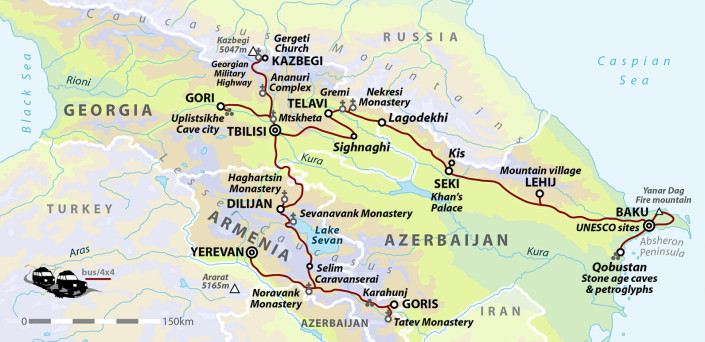
As we shall see, each of the three countries has a complex history driven by the strategic positioning of the South Caucasus on the boundary between Asia and Europe. From the time of the Silk Road right through to the first half of the 20th Century power changed hands frequently as the various world powers of the time fought to add the area to their empires.
Here are a few a few pics and short notes of the highlights just to whet your appetite:
Cascades
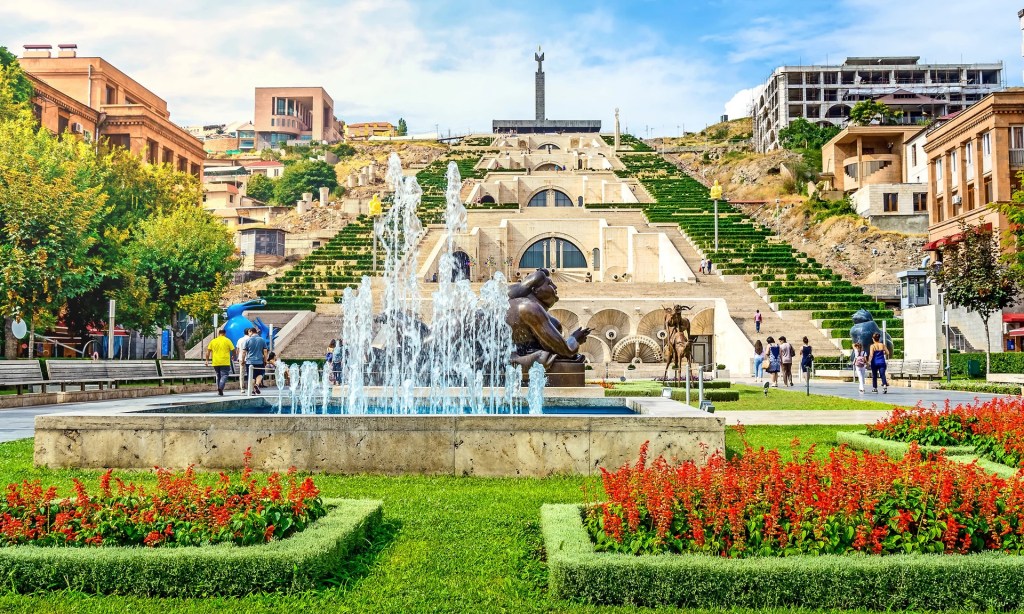
The Cascades in Yerevan is a giant stairway made of limestone which houses a contemporay art gallery hosting local and international exhibits.
Construction was begun in 1971 during the Soviet era, but pretty much ground to a halt by 1980. In 2002 the project was given new lease of life by an American-Armenian billionaire and art collector called Gerard Leon Cafesjian
Aside from being the capital of Armenia, Yerevan is said to be one of the world’s oldest continuously inhabited cities, dating back to the 8th century BC! It has had multiple foreign rulers over the centuries, including Iran and Russia, but finally became self governing after the end of the First World War.
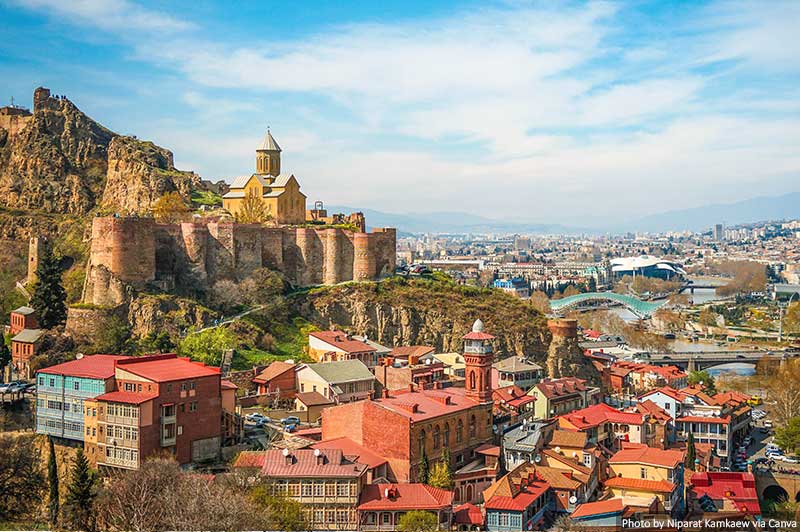
Despite its recent history of huge instability Tbilisi has somehow managed to re-invent itself as an enigmatic and engaging tourist destination.
Varied architecture, wonderful food, unique but highly regarded wine and huge cultural diversity that began centuries ago when the city was a hub on the ancient Silk Road have all contributed to its growing status as a destination not to be missed.
Even more than the other two countries Georgia – and Tbilisi in particular – has been a pawn in the geopolitics of the huge empires that have ruled it over the centuries. The Roman Empire, Parthians, Sassanid Persians, Muslim Arabs, the Byzantine Empire and the Seljuk Turks all ruled the city at one time or another. The country spent most of the 13th century under Mongol domination, but then after a couple of centuries of Iranian rule the country eventually came under the control of the Russian Empire. The end of WW1 saw an all too brief period of independence before the soviet bolsheviks invaded and in due course the country became the Georgian Soviet Socialist Republic as part of the USSR. Its emergence as an independent country after the demise of the Soviet Union in 1991 has seen huge turbulence, almost anarchy for a while, until the Rose Revolution in 2003 when some stability was achieved. However, the South Ossetia War in 2008 led to Tbilisi being attacked by the Russian air force. Since then the country has seen a period of economic growth but nobody really believes that Mad Vlad has given up on his ambition to bring Georgia back into the Russian Federation.
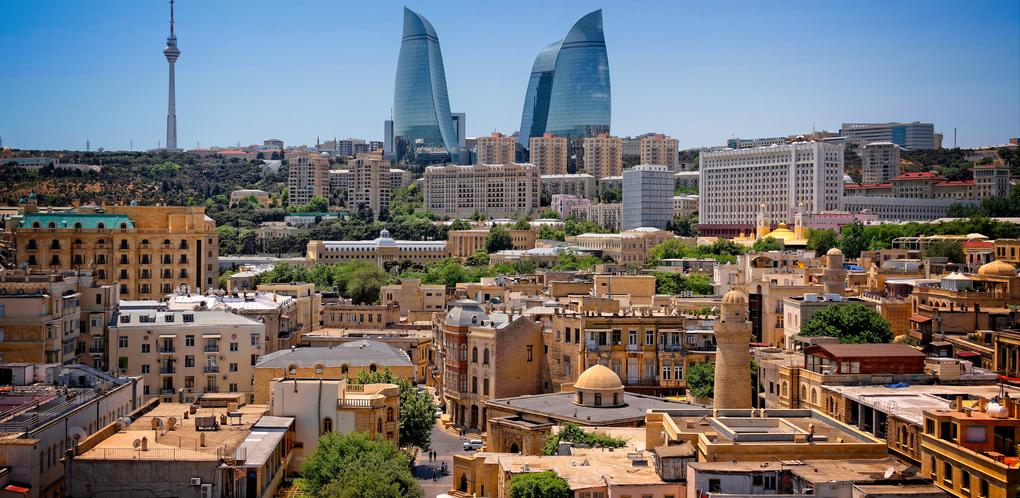
Formula One fans will know Baku from the Grand Prix staged there: but above all else Baku is a city of contrasts!
There is the cold, ugly legacy from the Soviet era, the huge modern skyscrapers funded by petro-chemical profits but there also still remains a beautiful ancient centre with its walled city, which somehow has survived the chaotic history of Baku.
Over the centuries Azerbaijan has endured several switches of hegemony between Iran and Russia, followed by the period after WW1 when the Red Army invaded and the country became the Azerbaijan Soviet Socialist Republic. Only after the dissolution of the Soviet Union in 1991 did the country become master of its own destiny.
The Route in Detail
Day 1: We start in Yerevan, flying Austrian Airlines from LHR on Saturday 10th September to Vienna then a layover before catching another Austrian Airlines flight to Yerevan. We eventually arrive in Yerevan at 03:55 on Sunday morning!!!
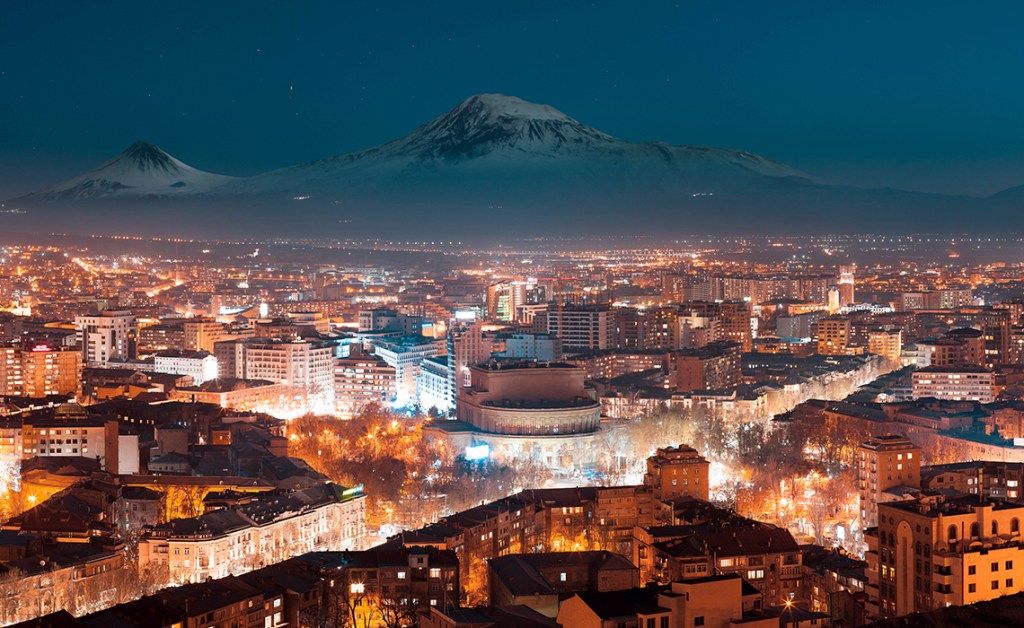
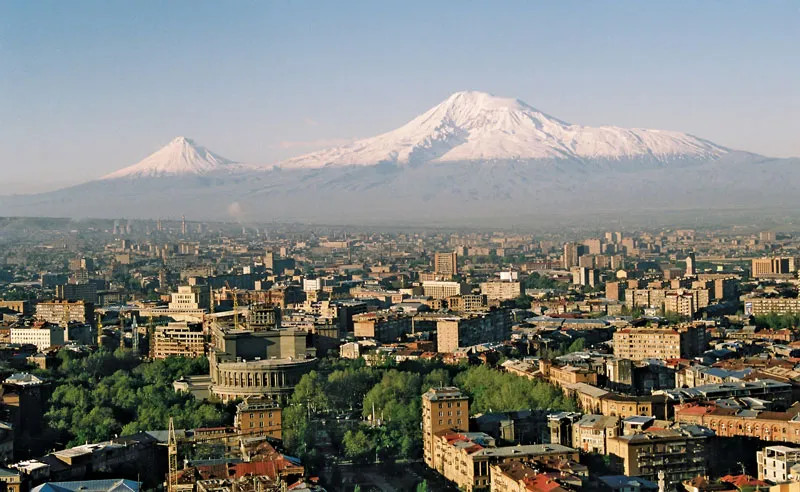
Day 2: In and around Yerevan: Manuscript Museum, Memorial to the 1915 Genocide and the Cascades.
That’s Mount Ararat of Noah fame in the background: formerly Armenian, but now part of Turkey….
Overnight: Yerevan.
Day 3: By road to Goris, visiting 13th century Noravank Monastery then the Tatev Monastery near Goris which is reached by the longest cable car in the world!
Overnight: Goris
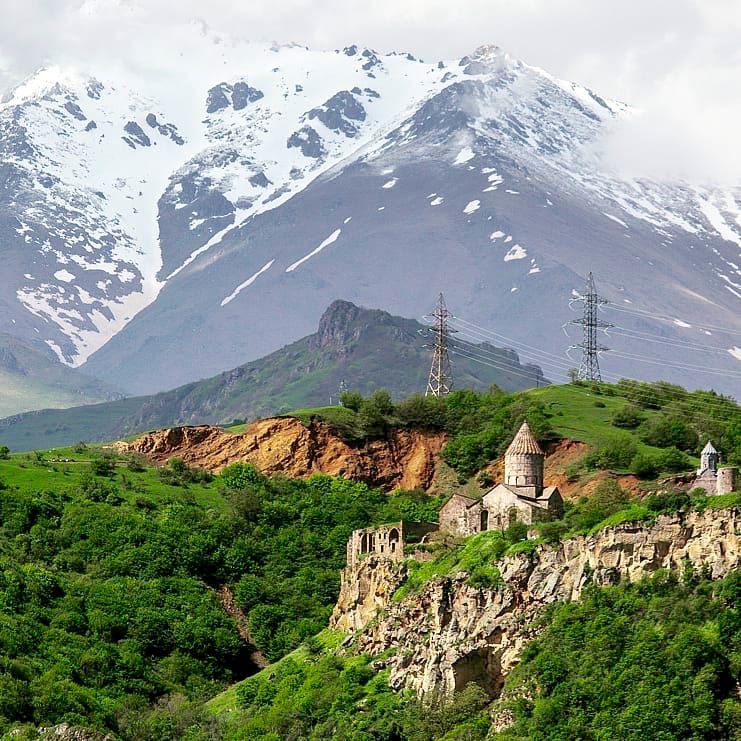
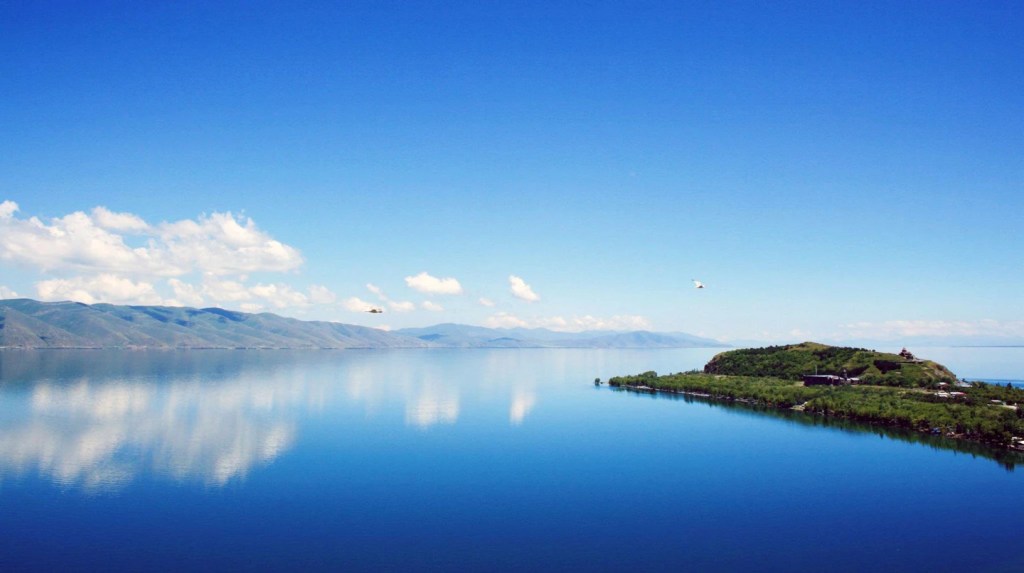
Day 4: Goris to Dilijan: we stop off at Karahunj, a prehistoric site regarded as Armenia’s version of Stonehenge. Also stop by the Selim Caravanserai [Silk Road layover] which dates from 1332! Inevitably another monastery: the medieval Sevanavank, and we swing by Lake Sevan, one of the world’s largest high altitude lakes at 6,200 feet….
Overnight: Dilijan
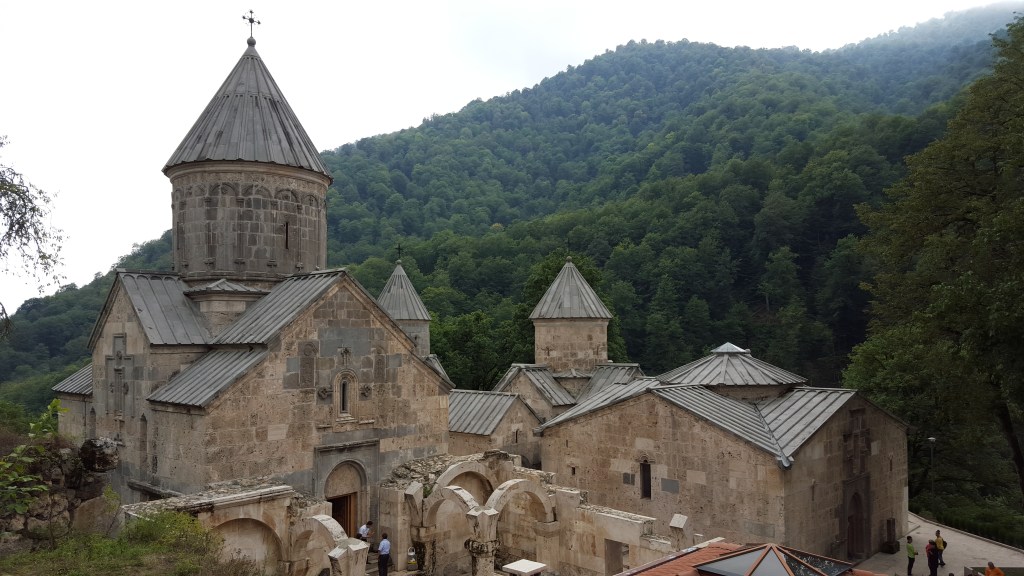
Day 5: We leave Armenia for Georgia today driving from Dilijan to Tbilisi. On the journey we stop to visit the Armenian 12th century Haghartsin Monastery.
Overnight: Tbilisi
Day 6: In and around Tbilisi
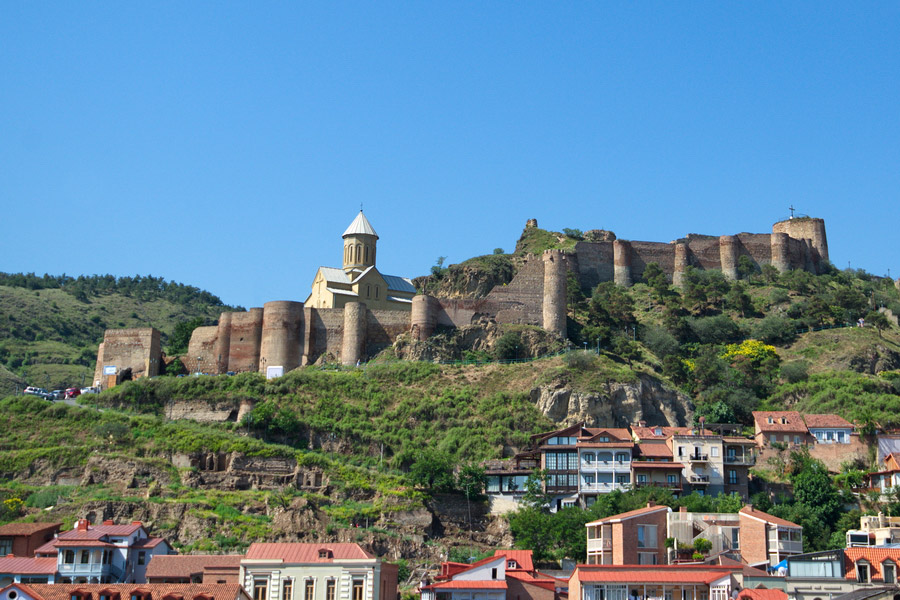
A busy day in Georgia’s capital city visiting the 13th century Metekhi Church and the 4th century Narikala Fortress. We also get to visit the Sulphur Baths!
We are promised the afternoon off to soak up the Tbilisi cafe culture and do some shopping…..
Overnight: Tbilisi
Day 7: Tbilisi to Kazbegi
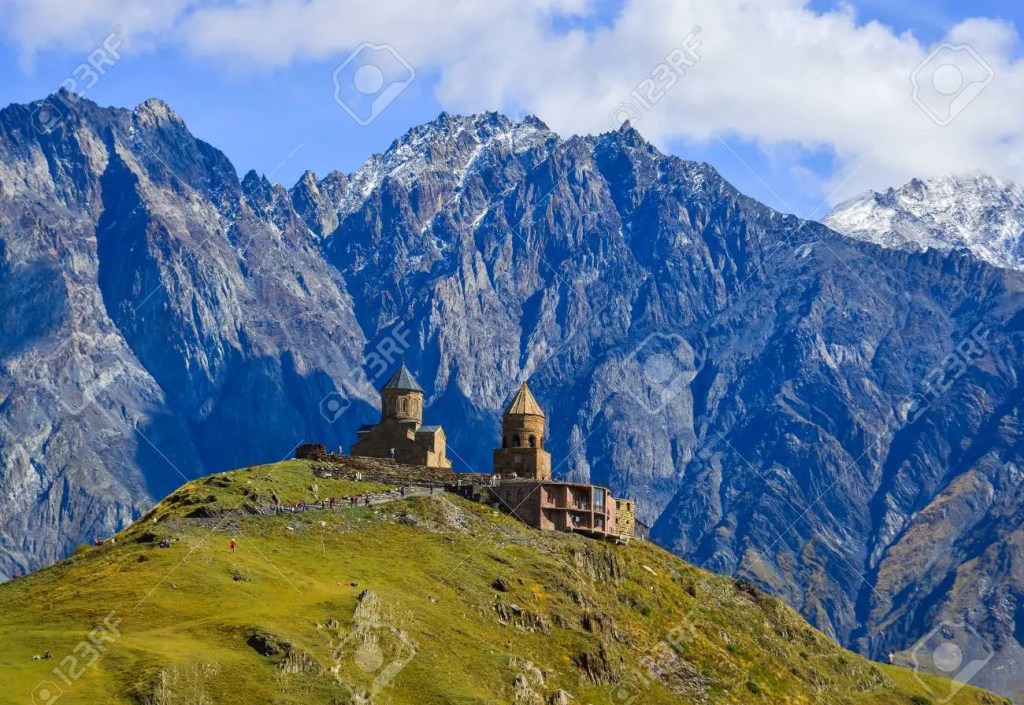
Leaving Tbilisi we head for Georgia’s ancient capital Mtskheta, 3,000 years old! We then get to head up into the High Caucasus Mountains with a two hour leg-stretch up to the 14th century Gergeti Trinity Church located on top of a 7,100 foot mountain. If the weather’s kind we may also get a glimpse of one of the highest glaciers in the Caucasus: the 16,500 foot Mt Kazbegi!
Overnight: Kazbegi
Day 8: Kazbegi to Gori
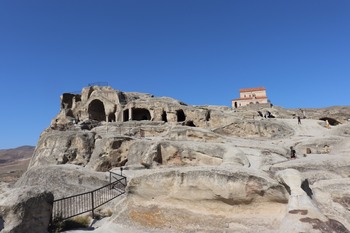
En route we visit the ancient remains of the Uplistsikhe Cave City: this fortified town on a rocky cliff was partially built in caves hewn in the rock. It was inhabited from the 4th century BC until its final destruction by Mongols in the 13th century.
Onward then to Gori: which was one of the focal points of the Russian invasion in 2008 but its main claim to fame is as the birthplace of Joseph Stalin….!!!
Overnight: Gori
Day 9: Gori to Telavi
A special day today: we are promised a visit to one of Georgia’s famed wineries and a chance to taste their product!
On the way we will have a look at the 18th century fortified hilltop town of Sighnaghi.
Overnight: Telavi
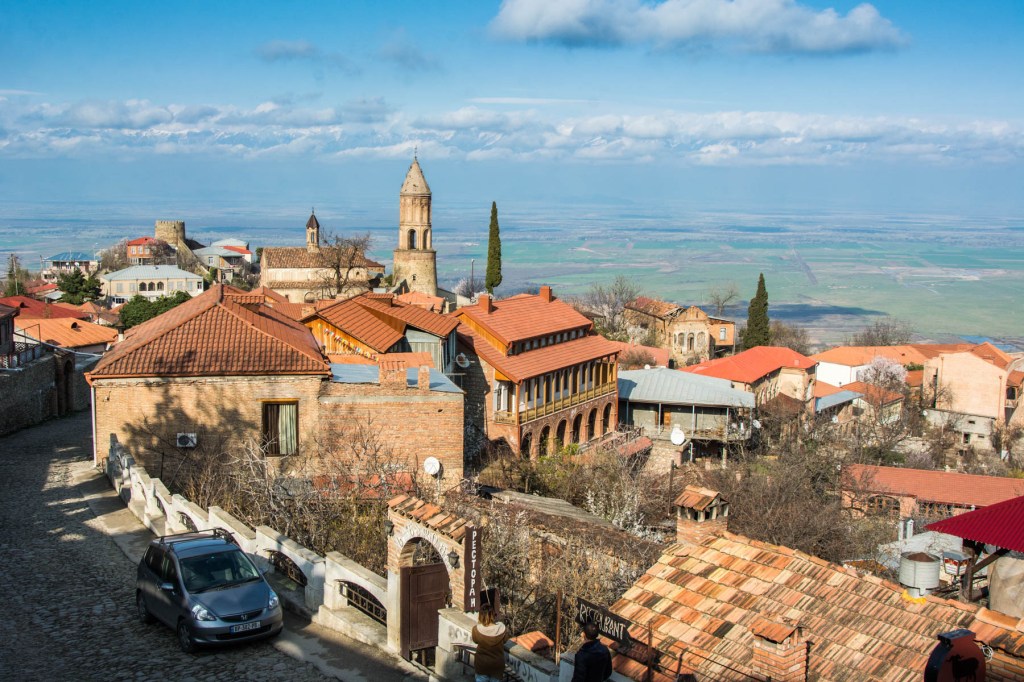
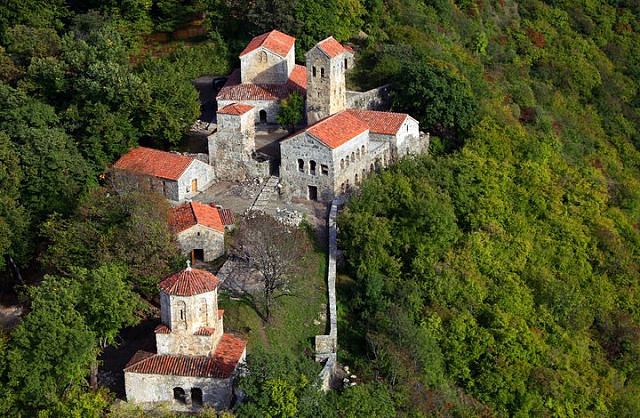
Day 10: Telavi to Sheki [Azerbaijan]
Today we get another leg stretch up to the 4th century Nekresi monastery before we leave Georgia for Azerbaijan. The plan was to do that by road, but the border crossing at Lagodekhi remains closed since Covid hit and we will need to backtrack a little to Tbilisi to pick up an internal flight to Baku and drive from there to Sheki! Adventure travel in action……
Overnight: Sheki
Day 11: In and around Sheki
More relaxed day today, by the looks of it! Always a pleasure to have two nights in the same hotel on these tours….
We visit the much restored Khan’s Palace [pic] and the pretty village of Kis, with its round towered Albanian Church, 12th or 13th century.
Overnight: Sheki
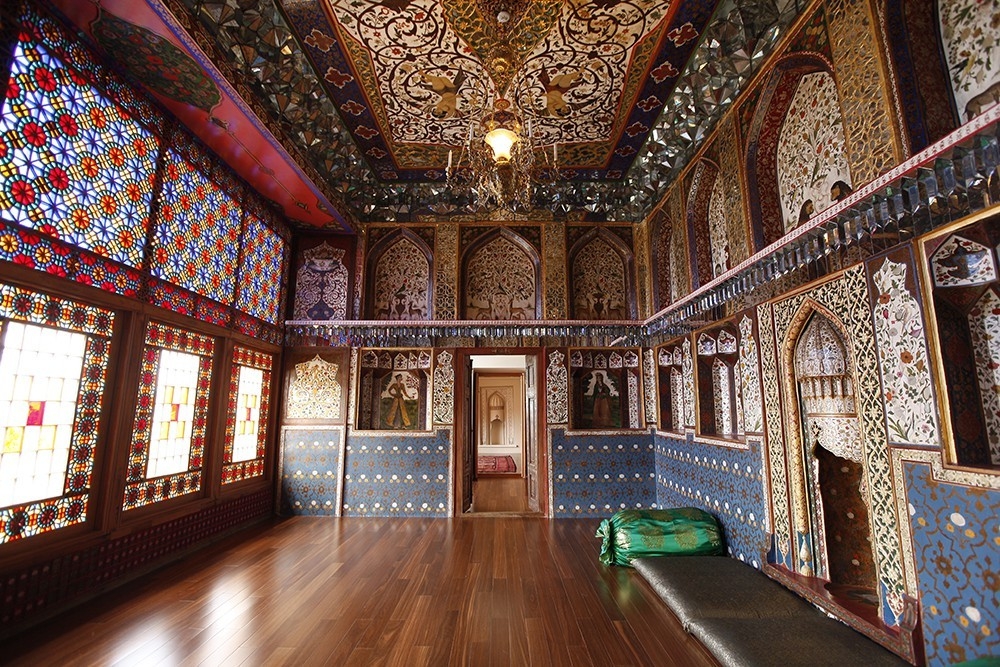
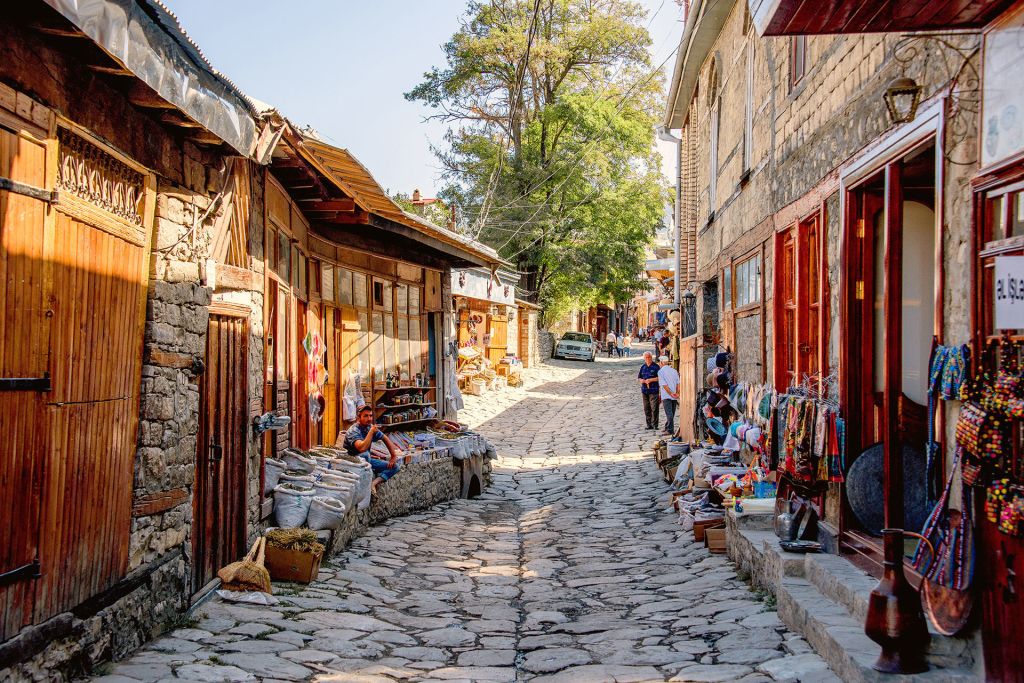
Day 12: Sheki to Lahij
Short drive to Lahij today, to visit this picturesque mountain village, famous for its coppersmiths and a thriving craft trade. Sounds like an afternoon of haggling and spending!!!
Overnight: Lahij
Day 13: Lahij to Baku
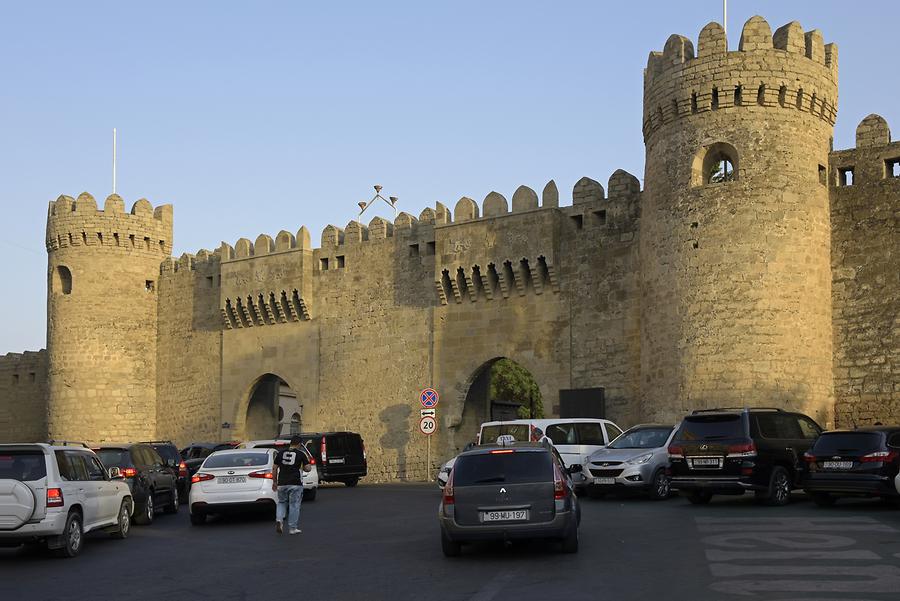
We reach our final destination today, Baku capital of Azerbaijan. Much of our time will be spent in the old walled city, entering via the Shamaxi Gate [pic], visiting the Maiden Tower and the Shirvanshahs’ Palace.
Overnight: Baku
Day 14: In and around Baku
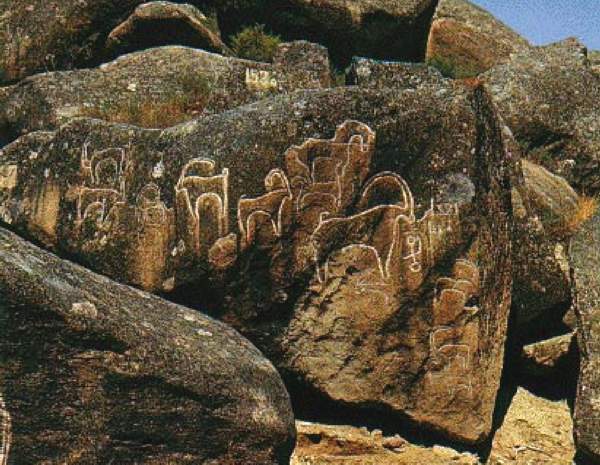
On the final day of our tour we get to see a couple of really spectacular sights: the pic is from the UNESCO site of Qobustan where there are over 6,000 Stone Age cave drawings and Yanar Dag, one of the few remaining ‘fire mountains’ that some believe have been burning for 6,000 years…..!!!
Overnight: Baku
Day 15: Tour ends in Baku
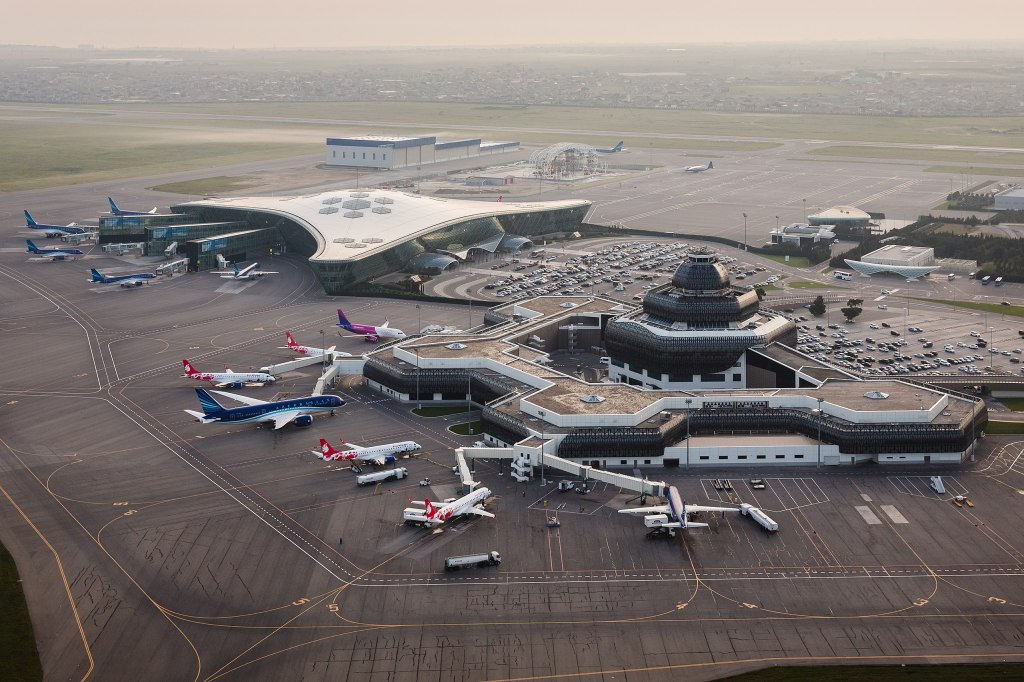
An early start to catch the 04:30 Lufthansa flight to Franfurt from the futuristic looking Baku Airport! Shortish layover in Franfurt then off to LHR arriving at 10:40…..
 Tony's Geriatric Adventures